
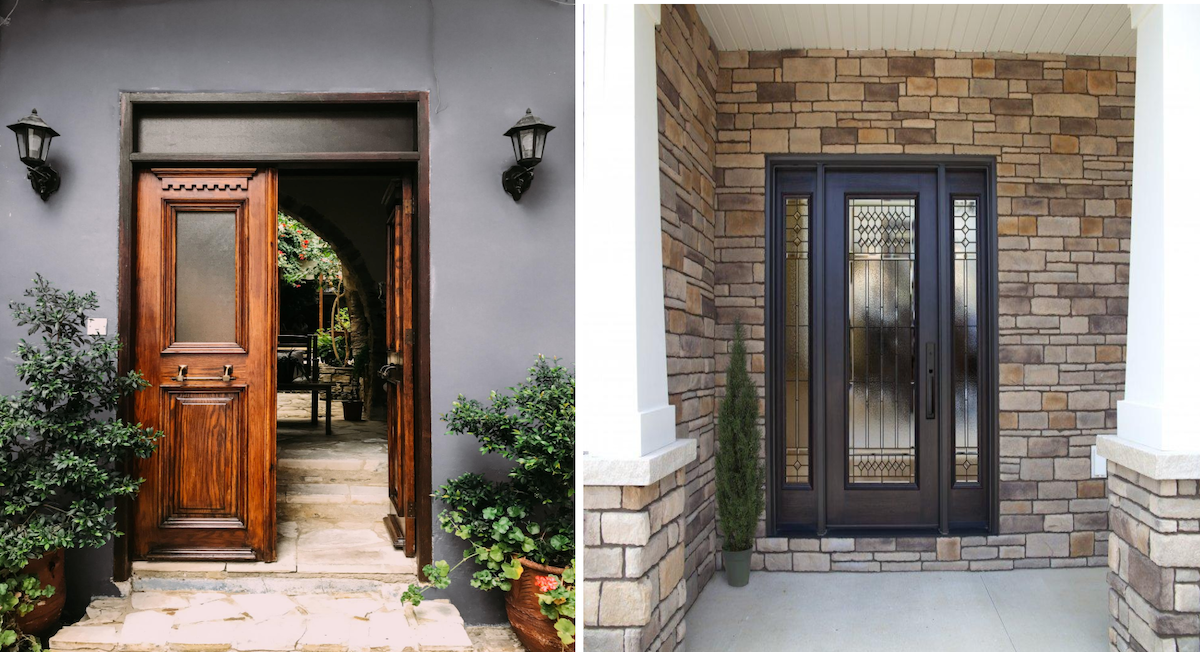
When it comes to upgrading your home's entryway, the decision almost always comes down to steel vs. fiberglass doors. Both are massive improvements over aging wood doors in terms of durability, energy efficiency, and security - but they serve homeowners in different ways.
We've spent over 100 years installing exterior doors across Northern Virginia, Maryland, and Washington, D.C. In that time, our team has seen firsthand how both materials perform across all seasons of our region's weather patterns. If you've been going back and forth trying to figure out which one actually makes sense for your property, this guide will give you a clear answer.
How Steel and Fiberglass Exterior Doors Are Built
Understanding how each door is constructed is essential to the fiberglass door vs. steel debate.
Steel exterior doors are constructed around an insulating core, typically polyurethane or polystyrene foam, encased in a steel shell. The steel skin is measured by gauge, with 20-gauge being among the thickest and most durable for residential use. Despite the name, the steel shell is relatively thin, so it's the core that does the heavy lifting in terms of insulation. ProVia's Legacy™ steel doors, for example, use heavy-duty 20-gauge steel that's nearly 50% stronger than standard steel entry doors.
Fiberglass exterior doors are built with a hardwood framework, a polyurethane insulating core, and an outer skin of fiberglass-reinforced plastic. Advanced manufacturing techniques allow the fiberglass skin to be embossed with realistic wood-grain textures, such as oak, cherry, mahogany, fir, or knotty alder. This feature makes them nearly indistinguishable from a real wood door.
Steel vs. Fiberglass: Side-by-Side Comparison
|
Category |
Steel Exterior Doors |
Fiberglass Exterior Doors |
|
Cost (Door Only) |
$200 – $1,400 |
$800 – $3,000+ |
|
Installed Cost |
$600 – $1,800 |
$1,500 – $5,000+ |
|
Energy Efficiency |
R-5 to R-6; polyurethane foam core provides strong insulation, though the steel skin can conduct heat |
R-5 to R-6; polyurethane foam core with non-conductive skin reduces thermal bridging |
|
Security |
Rigid construction resists forced entry; dents under impact but rarely breaks through |
Reinforced construction with strong impact resistance; lighter material than steel |
|
Durability |
Extremely strong and rigid; can dent or scratch; exposed metal is vulnerable to rust |
Resistant to rust, rot, and warping; can crack under extreme concentrated force |
|
Lifespan |
25 – 30+ years; can reach 50–100 years with diligent maintenance |
25 – 30+ years with minimal maintenance needed to reach full lifespan |
|
Maintenance |
Periodic inspection for chips and scratches; touch-up paint and rust prevention as needed |
Occasional cleaning with soap and water; no scheduled resealing or repainting required |
|
Weather Resistance |
Excellent in wind, snow, and cold; performs best under covered entryways in humid climates |
Performs well in all climates, including heat, humidity, and coastal salt air |
|
Curb Appeal |
Clean, modern, smooth finish; available in a wide range of paint colors |
Realistic embossed wood grain textures; accepts both paint and stain finishes |
|
Customization |
Multiple panel styles, glass options, and hardware; painted finishes only |
Multiple panel styles, glass options, and hardware; painted or stained finishes |
|
Repairability |
Dents are difficult to remove without professional help or full panel replacement |
Cracks may require panel replacement; surface scratches are easier to touch up |
|
Installation |
Heavier door; may require additional anchoring and frame reinforcement |
Lighter weight; often arrives prehung for simpler installation |
|
Best For |
Budget-conscious buyers, covered entryways, modern aesthetics, maximum security priority |
Exposed entryways, wood-look aesthetics, low-maintenance priority, variable climates |
Curb Appeal and Aesthetics
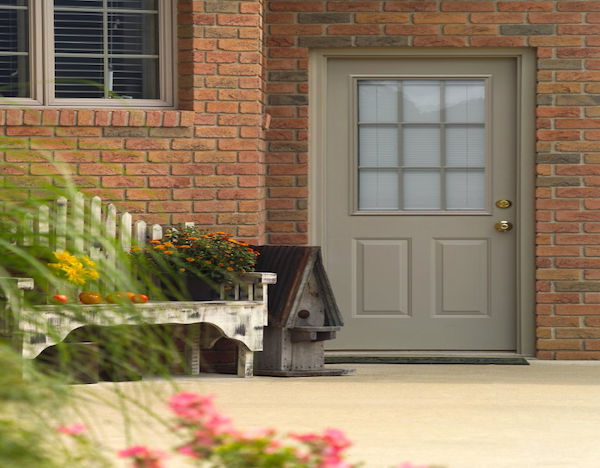
Fiberglass is the clear winner if you want the warmth and character of real wood without the maintenance headaches. High-quality fiberglass doors can be stained or painted, and the embossed wood-grain textures are convincing enough that most visitors won't realize they aren't actual wood. This makes fiberglass especially popular in Northern Virginia's established neighborhoods - places like Old Town Alexandria, McLean, and Great Falls - where maintaining a traditional aesthetic matters. If you're considering a custom front door, fiberglass gives you the widest range of visual options.
Steel doors deliver a clean, crisp, modern appearance. They work best with solid paint colors and smooth finishes, making them a strong fit for contemporary homes or urban properties in D.C. and Arlington. However, steel doors can only be painted and should start with a primed surface; they cannot be stained to mimic wood grain the way fiberglass can.
Both models accommodate decorative glass panels (called lites), sidelites, transoms, and a wide variety of hardware. If you're looking at a double-entry door configuration, all materials are available in multi-panel setups.
Durability and Maintenance
This is where materials start to diverge significantly, especially in a Mid-Atlantic climate like ours.
Fiberglass Durability
Fiberglass is impervious to rust, rot, and warping. It doesn't expand and contract significantly with temperature swings, which is a real advantage when your front door faces Northern Virginia's 95°F August afternoons and 20°F January mornings. Fiberglass is also resistant to dents and scratches, though it can crack if struck with extreme force.
Maintenance is minimal; occasional cleaning with soap and water is typically all that's needed. There's no need to reseal, re-stain on a schedule, or worry about moisture damage the way you would with wood.
Steel Durability
Steel is incredibly strong and rigid. A well-built steel door (particularly one with a heavier gauge) will withstand significant force. However, steel is still susceptible to:
- Dents and scratches: Once dented, a steel door is difficult and costly to repair. Scratches that penetrate the finish can expose bare metal to moisture.
- Rust: In humid environments, any chip or scratch in the finish becomes an entry point for corrosion. Steel doors need more vigilance around finish maintenance.
- Heat transfer: Steel is a natural conductor. On a hot day, the exterior surface of a steel door gets noticeably warm. In winter, the interior side may feel cold to the touch.
Note that a properly maintained steel door protected by a porch or overhang can last for decades without issue.
Energy Efficiency
Older exterior doors often account for meaningful heating and cooling losses, driving up utility bills.
Both steel and fiberglass doors significantly outperform wood when it comes to insulation, primarily because of their polyurethane foam cores. Windowless models of either material typically achieve an insulation rating between R-5 and R-6.
That being said, fiberglass has the edge in overall energy efficiency. Because fiberglass does not conduct heat the way steel does, it maintains a more consistent temperature across the door surface. There's no cold spot in winter or hot spot in summer. Steel doors, by contrast, can transfer exterior temperatures through the metal skin, creating thermal bridging.
For homeowners focused on building a tight, energy-efficient envelope (or for anyone who's noticed drafts around an aging front door), fiberglass is the stronger performer. Many fiberglass doors additionally carry ENERGY STAR® ratings and may qualify for federal energy tax credits.
Security
Your front door is your home's first line of defense, and both door types take that role seriously.
Steel is the traditional security champion. Its rigid construction makes it extremely resistant to forced entry. While a steel door may dent under heavy impact, it very rarely breaks or warps inward. For homeowners who prioritize security above all else, steel has an advantage.
Modern fiberglass doors are reinforced and significantly stronger than they were a decade ago. However, fiberglass is a lighter material and could crack under extreme or concentrated force, making it slightly more vulnerable than steel in a worst-case break-in scenario.
Both materials accept multipoint locking systems, deadbolts, and smart locks. The overall security of any entry door also depends heavily on the frame, which is why professional installation matters.
Cost: What to Expect
Cost is often the deciding factor, so here's a realistic picture.
Steel exterior doors are the more budget-friendly option. A quality steel door slab typically runs between $200 and $1,000, with complete prehung systems (including frame, hardware, and weatherstripping) ranging from roughly $600 to $1,800 installed.
Fiberglass exterior doors cost more upfront. Expect to pay between $800 and $2,500+ for the door itself, with complete prehung installations ranging from roughly $1,500 to $5,000+, depending on the size, style, and level of customization. Premium fiberglass doors with realistic wood grain embossing or stain finishes sit at the higher end of that range.
Keep in mind that cost shouldn't be evaluated in a vacuum. Fiberglass typically requires less maintenance spending over its lifespan, and its superior energy efficiency can translate to lower utility costs. On the flipside, steel offers excellent value with a strong return on investment at resale.
Climate Considerations for Northern Virginia
Our region throws a lot at your front door, including significant temperature swings between seasons.
Fiberglass handles the Mid-Atlantic climate exceptionally well. It won't rust in humidity, won't warp from temperature fluctuations, and won't transfer summer heat into your foyer. It's the lower-risk choice for doors that face direct sun and rain exposure without cover.
Steel performs well when protected. If your entryway has a porch, awning, or overhang that shields the door from direct weather, steel will last beautifully for decades. Where steel gets into trouble is on fully exposed entryways; direct rain and sustained sun exposure accelerate finish wear.
Fiberglass Door vs. Steel Door: Which Should You Choose?
So when it comes down to a fiberglass door vs. steel door for your home, here's a quick decision framework:
|
Choose steel if: |
Choose fiberglass if: |
|
|
Of course, if you love the beauty of natural wood and are willing to invest in the maintenance, a custom wood door is still always an option worth exploring!
Popular Brands We Install
We've worked with a lot of door manufacturers over the course of our company's long history. Some of our most popular brand models include:
- ProVia Legacy™ Steel: Built with heavy-duty 20-gauge steel, the Legacy line is our go-to recommendation for steel entry doors. Nearly 50% stronger than standard steel doors, with a wide selection of styles and configurations.
- ProVia Signet® Fiberglass: Premium embossed fiberglass with authentic wood grain appearances in finishes like cherry, mahogany, oak, knotty alder, and fir. The most customizable fiberglass option ProVia offers - both sides of the door can even be finished differently!
- ProVia Ascent Fiberglass: A newer addition to the ProVia lineup, offering clean contemporary lines for modern homes.
- Jeld-Wen Aurora: A high-end fiberglass option with exceptional wood grain realism, popular in luxury applications.
We're a ProVia Platinum Dealer, which means we offer their full range of customization options, from panel styles and glass inserts to custom color matching.
Ready to Settle the Steel vs. Fiberglass Doors Debate?
Whether you're leaning toward the strength of steel or the versatility of fiberglass, we're here to help you make the right call for your home. Visit our Falls Church or Ashburn showroom to experience our extensive collection in person, or request a quote to get started!
